Uncategorized
GHK-Cu Peptides
Oct
GHK-Cu
GHK-Cu peptide has become a popular ingredient in skincare, cosmetic formulations, and peptide research. Known scientifically as glycyl-histidyl-lysine copper, GHK-Cu is a copper-binding peptide that has been investigated for its potential role in skin regeneration, collagen production, tissue repair, and other biological processes.
As interest in peptide skincare continues to grow, GHK-Cu is increasingly recognized for its connection to healthy-looking skin and the maintenance of the extracellular matrix. However, it is important to distinguish laboratory findings and cosmetic applications from proven medical treatments.
What Is GHK-Cu Peptide?
GHK-Cu is the copper-bound form of GHK, a naturally occurring tripeptide made from three amino acids: glycine, histidine, and lysine. GHK can naturally occur in the human body, including in tissues and biological fluids.
The copper component is important because copper is involved in numerous biological processes. GHK-Cu has therefore attracted scientific interest as a bioactive copper peptide with potential effects on cellular signaling, collagen-related processes, inflammation, and tissue remodeling.
Unlike many popular experimental peptides, GHK-Cu has a long history of investigation in cosmetic and biological research.
GHK-Cu Peptide and Collagen
One of the main reasons GHK-Cu is widely used in skincare is its association with collagen and extracellular-matrix biology. Collagen is an essential structural protein that helps maintain the firmness and structure of skin.
Laboratory research has indicated that GHK-related compounds can influence fibroblast activity and processes associated with collagen and glycosaminoglycan production. These findings have made GHK-Cu particularly interesting for researchers studying skin aging and tissue regeneration.
As people age, collagen production and other components of the extracellular matrix can change. Environmental factors such as ultraviolet exposure can also contribute to visible changes in skin texture and elasticity. This has encouraged interest in cosmetic ingredients that may support the skin’s natural structural processes.
Potential GHK-Cu Peptide Benefits
GHK-Cu is commonly associated with several areas of research and cosmetic use. These include supporting the appearance of aging skin, maintaining skin structure, and investigating tissue-repair pathways.
Research has also explored the peptide’s relationship with inflammation, oxidative processes, cellular signaling, and blood-vessel formation. Much of this evidence comes from laboratory and preclinical studies, so it should not automatically be interpreted as proof of a specific benefit in humans.
For cosmetic users, GHK-Cu is particularly interesting because it is incorporated into some topical skincare formulations designed to support smoother, healthier-looking skin.
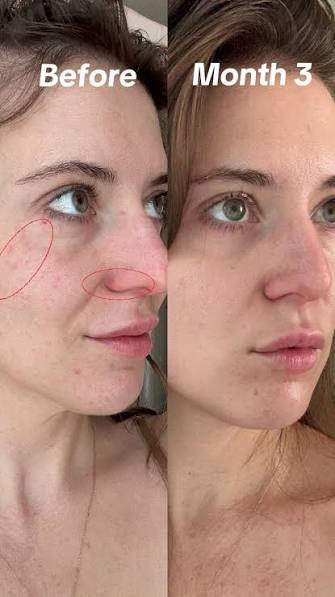
GHK-Cu for Skin
GHK-Cu is often found in serums, creams, and other cosmetic products. Its popularity in skincare is largely connected to research surrounding collagen, extracellular-matrix remodeling, and skin repair.
Some human research has investigated topical copper tripeptide products, although the clinical evidence remains limited compared with the amount of laboratory research available. A small clinical study following CO2 laser resurfacing, for example, found no significant differences in several objective measures between treatment groups, while participants using the GHK-Cu product reported greater satisfaction with overall skin improvement.
This illustrates why GHK-Cu should be viewed as a promising cosmetic peptide rather than a guaranteed anti-aging treatment.
GHK-Cu and Skin Absorption
One challenge with topical peptides is skin penetration. GHK-Cu is relatively hydrophilic, which can make movement through the outer skin barrier difficult.
Researchers have investigated different delivery technologies to improve the amount of GHK-Cu reaching deeper skin layers. Microneedle systems, specialized formulations, and other delivery approaches have been explored in experimental settings.
The effectiveness of a GHK-Cu product can therefore depend not only on the peptide itself but also on formulation, concentration, stability, delivery method, and how the product is used.
Is GHK-Cu Safe?
GHK-Cu has been investigated for cosmetic applications, and laboratory research has examined its potential for skin irritation and cellular toxicity. However, safety depends on the formulation, concentration, route of administration, product quality, and intended use.
It is also important to distinguish topical cosmetic products from experimental injectable or research-use preparations. Evidence supporting one route of administration does not automatically establish the safety of another.
People considering peptide products should pay attention to product quality and avoid assuming that laboratory research establishes a particular treatment as safe or effective for human medical use.
GHK-Cu Peptide Research
Research into GHK-Cu continues to explore its potential role in skin biology, wound healing, extracellular-matrix remodeling, inflammation, and regenerative processes. Recent scientific reviews have highlighted strong preclinical interest while also emphasizing that larger and better-controlled human studies are needed.
This distinction is especially important when evaluating online claims. GHK-Cu has an extensive scientific history, but the strength of evidence varies significantly depending on the specific application being discussed.
